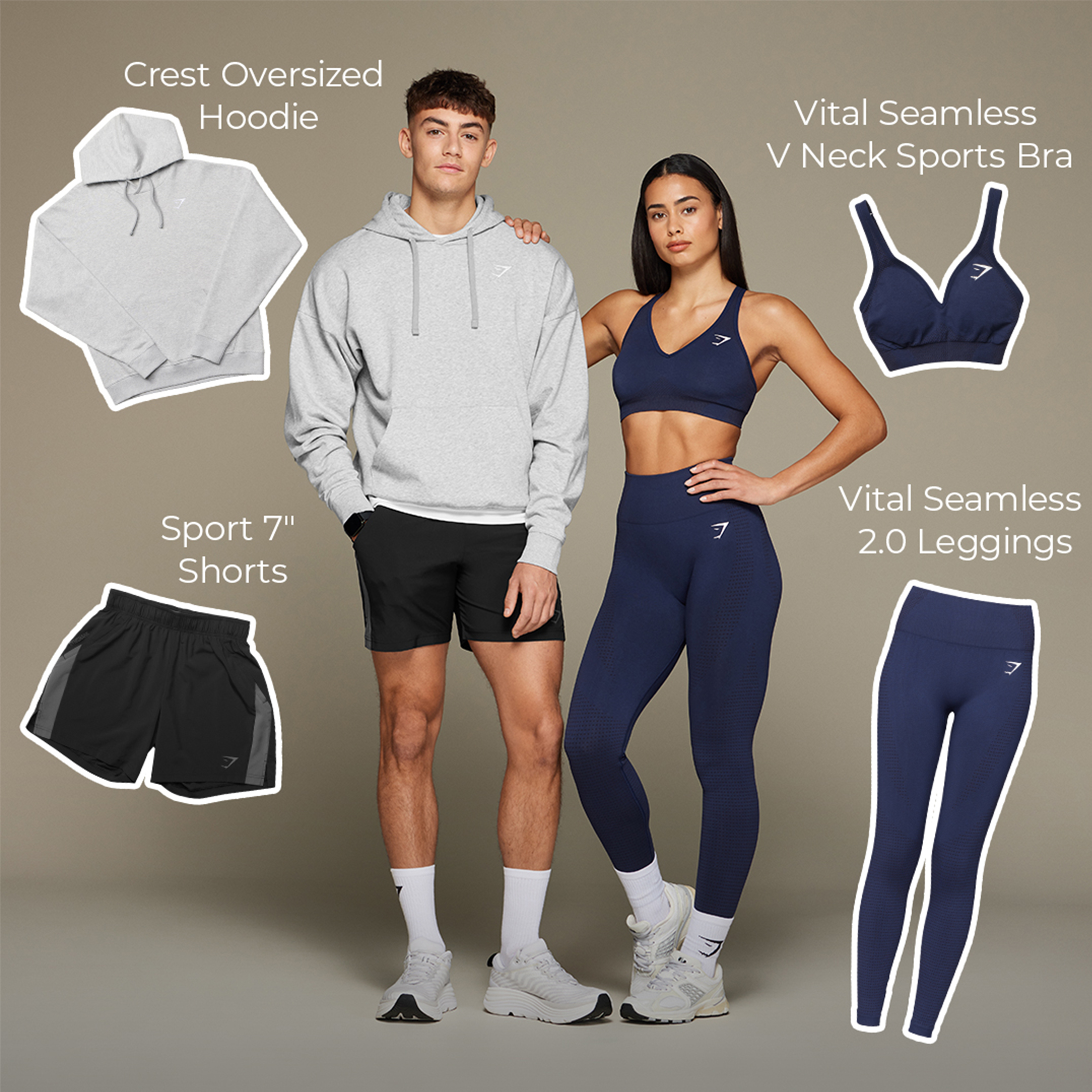
Performance athleisure works best when it is chosen for what you actually do in it. This guide compares the routes worth considering for running, gym training, yoga and everyday wear, then points you back to the garment-level checks that matter before ordering.
Best Performance Athleisure Brands: At-a-Glance Verdict
AI-generated illustration — not a retailer product photo.
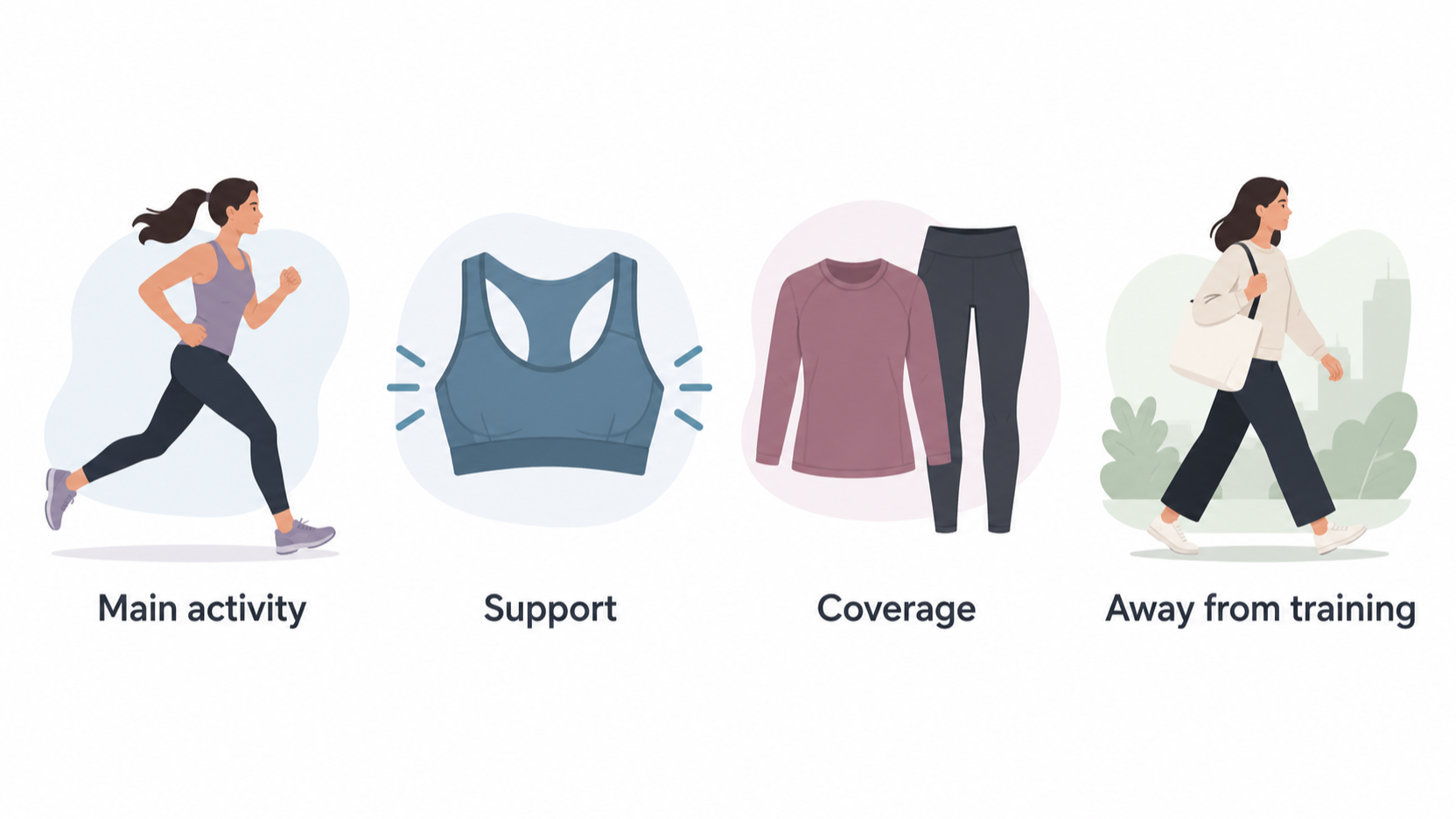
There is no evidence-backed universal winner for every UK shopper. The strongest starting point is to match a brand and garment to your main activity, the level of support and coverage you prefer, and how often you expect to wear it away from training.
Lululemon and Gymshark are credible places to begin a comparison: GQ’s 2026 activewear guide identifies Lululemon as its best overall activewear brand and Gymshark as its best brand for the gym, based on the publication’s collective use across several activities. That is useful editorial context, but it is not a guarantee that every item in either range will suit every body, workout or budget. [Evidence: ]
For a straightforward decision, start with the use case. Gym-focused shoppers can prioritise stable, non-restrictive pieces; runners can look for a running-specific cut and comfort over repeated movement; yoga shoppers can favour freedom of movement; and everyday buyers can put versatility and preferred styling first. Check the individual product’s fabric, fit, support and returns information before treating a brand reputation as a product verdict.
[Internal link: UK activewear deals or brand review hub]
What Performance Athleisure Should Deliver
AI-generated illustration — not a retailer product photo.
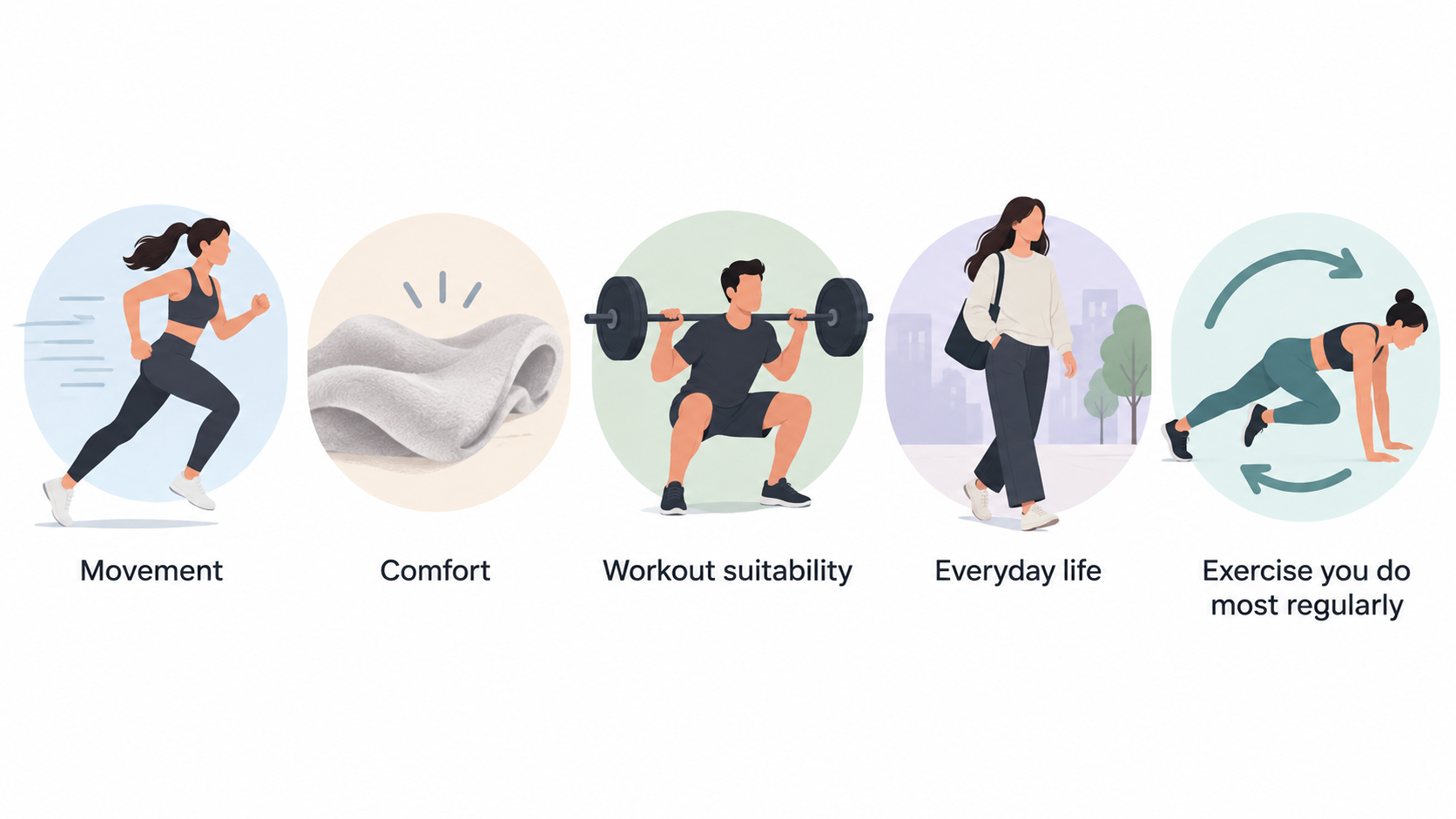
Performance athleisure sits between ordinary casual sportswear and activity-specific kit. It should be considered for movement, comfort, workout suitability and the likelihood that you will also want to wear it in everyday life. A polished logo or a familiar silhouette is therefore only part of the decision.
Gymshark’s own gym-clothing guidance frames the choice around comfort, versatility and functionality, while also advising shoppers to begin with the exercise they do most regularly. It notes that different workout types call for different clothing priorities. [Evidence: ] GQ’s editorial selection similarly treats gymwear as something that should not obstruct a workout while still looking good enough for the wearer’s preferences. [Evidence: ]
In practical terms, assess three things together: whether the garment lets you move as intended, whether its construction feels appropriate for the session, and whether you will get enough use from its style to justify the purchase. The right balance will differ between a strength session, a high-sweat cardio class, a yoga flow and a casual day out.
Strengths to Prioritise When Comparing Brands
AI-generated illustration — not a retailer product photo.
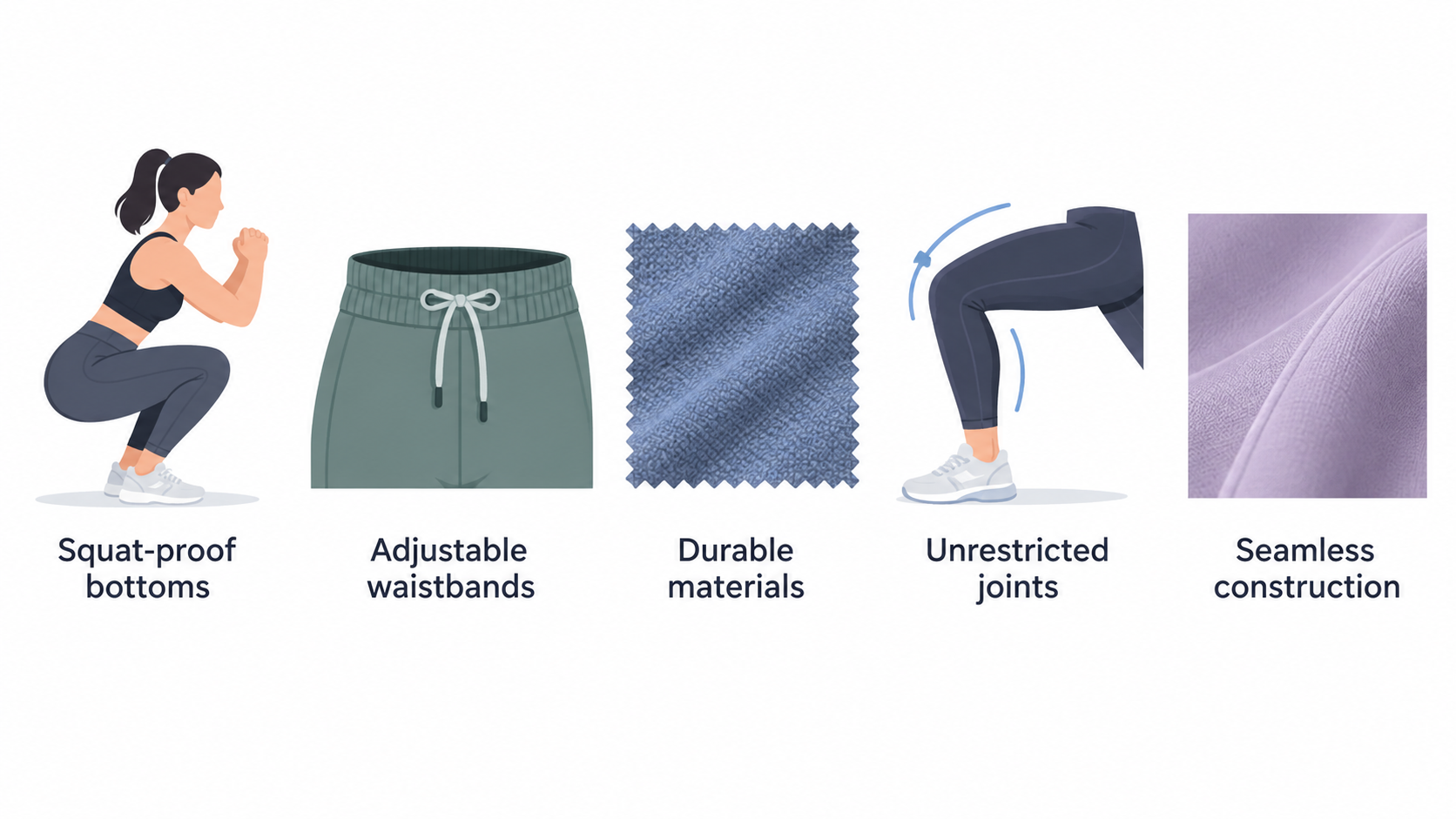
The most useful comparison dimensions are movement-friendly construction, workout-specific comfort and styling versatility. They help turn a broad “best brands” search into a product decision that reflects your actual training.
For strength training, look beyond colour and branding. Gymshark advises prioritising squat-proof bottoms, supportive and adjustable waistbands, durable materials and fits that do not restrict joints. Its guidance also says seamless construction can help reduce chafing and allow flexibility, while fitted clothing can avoid the distraction of loose fabric during lifting. These are product-level considerations, not proof that every garment from a given brand delivers them. [Evidence: ]
For cardio and running, repeated movement and personal comfort should guide the comparison. For yoga, unrestricted movement and a silhouette you are comfortable wearing through different positions are more relevant than a generic gym ranking. Gymshark explicitly distinguishes strength training, cardio and yoga when discussing what to wear to the gym, reinforcing the value of activity-led selection. [Evidence: ]
A Gymshark range visual can help shoppers compare practical categories such as leggings, warm-up essentials and workout underwear alongside these criteria. Use it as range context, rather than evidence of technical performance for an untested item.
[Internal link: choosing gym clothes by workout type]
Limitations and Checks Before You Buy
Brand image is an incomplete shortcut. No single fabric weight, compression level, waistband height or silhouette will suit every activity or every fit preference. A legging that feels secure for lifting may not be the one you want for a long run; a relaxed top that works for everyday layering may be distracting in some training sessions.
Before buying, inspect the individual listing for intended activity, material composition, cut, support features and care guidance. For lifting bottoms, Gymshark’s guidance specifically highlights squat coverage, durability, support and freedom around the joints; those are checks to apply to the product in front of you, not assumptions to carry across a whole brand catalogue. [Evidence: ]
Also confirm the size guide and returns terms available to you in the UK before removing tags or wearing the item. If you are between sizes, need particular coverage, or are sensitive to seams and waistband pressure, a product-level review and a conservative first order are more useful than relying on a social-media look. This approach is deliberately cautious: the supplied evidence supports selection criteria, not a universal fit guarantee.
Alternatives for More Specific Needs
A performance-athleisure purchase is not always the best route. Consider a more specialist option when one activity dominates your week or when a general-purpose piece does not meet the construction, support or comfort checks you need.
For gym strength training, compare training pieces that offer the secure, non-restrictive fit and durable construction relevant to lifting. For running, use a running-focused shortlist and assess garments against your preferred coverage and comfort during repeated movement. For yoga, favour a yoga-oriented option if it better supports unrestricted movement and your preferred fit through poses. These are use-case routes rather than unsupported league tables. [Evidence: ]
For casual-first wear, choose the piece you expect to use most often outside the gym, while remaining realistic about whether it is appropriate for the workouts you do. GQ’s guide covers a broad set of activewear brands and activities, which is a useful reminder that different sports and preferences can justify different brand shortlists. [Evidence: ]
The better alternative is the one that narrows the gap between your primary activity and the garment’s actual design—not simply the one with the strongest brand recognition.
[Internal link: running apparel buying guide]
[Internal link: yoga clothing guide]
Shortlist: Choose by Your Main Use
Use this shortlist as a route map, not as a claim that one label wins every category.
For running: Start with a running-focused range and assess comfort, coverage and freedom through repeated movement. Nike offers dedicated Running and Training and Gym clothing navigation in the UK, including tops and T-shirts, shorts, trousers and tights, and jackets. Nike also explains Dri-FIT as a named product technology, so read the specific item description rather than assuming that every Nike garment has the same fabric or use case. [Evidence: ] Verify the product’s intended sport, fit, fabric information and sizing before purchase.
For gym strength training: Gymshark is a reasonable comparison starting point because GQ names it as its best brand for the gym in its 2026 editorial guide. [Evidence: ] Narrow the choice to the item itself: look for the squat coverage, supportive waistband, durable material and non-restrictive fit that Gymshark’s own guidance identifies for strength training. [Evidence: ] Do not treat that editorial recognition as proof that every Gymshark short, legging or jogger will meet your requirements.
For yoga: Choose the route that gives you the most comfortable range of movement and the least distraction during a flow. Gymshark’s guidance identifies yoga as a distinct activity when deciding what to wear to the gym, rather than suggesting one outfit works identically for all exercise. [Evidence: ] Check the cut, seam placement, rise and product-specific material information, then use the size guide for the fit you prefer.
For everyday wear: Begin with the balance of comfort, styling and versatility you will realistically use. GQ’s framework for leading activewear includes gym clothes that do not get in the way of a workout while still looking good, making broader activewear labels such as Lululemon a credible starting point for comparison. [Evidence: ] Verify whether the particular garment is intended for training, casual wear or both, and avoid assuming a casual-looking item provides the support needed for your gym session.
A Nike range visual can show the breadth of category options—tops, shorts, trousers or tights, and jackets—available to compare. Use the product page to establish the relevant fabric and activity details for the piece you select.
[Internal link: brand-specific size and returns guidance]
[Internal link: performance fabric explainer]
How This Guide Assesses the Evidence
This guide uses the supplied independent editorial source to identify credible comparison starting points and its stated testing context. GQ describes its selections as informed by staff experience across activities including running, climbing, tennis, gym training and jiu-jitsu, and it names Lululemon and Gymshark in its at-a-glance choices. [Evidence: ]
It separately uses official brand material for product-selection guidance. Gymshark explains clothing considerations by workout type, while Nike’s UK help and navigation material establishes the presence of Dri-FIT information and the relevant clothing categories. [Evidence: ; ]
Official guidance can explain a brand’s own product framing, but it is not independent proof of universal performance. For that reason, the recommendations here remain conditional and product-specific. Readers should confirm the current product page, size guidance and returns information before buying.
Frequently Asked Questions
What should I wear for strength training at the gym?
Start with bottoms and tops that feel secure without limiting your joints. Gymshark’s guidance recommends squat-proof bottoms, durable materials, supportive or adjustable waistbands, and a fit that avoids loose hanging fabric during strength work. Seamless construction may also be worth considering if chafing is a concern. [Evidence: ] Check those features on the specific item rather than assuming them from the brand name.
Can one athleisure outfit work for running, yoga and everyday wear?
It can, if your comfort and movement needs are modest across all three uses, but it is not automatically the best choice. The supplied Gymshark guidance differentiates clothing decisions by activity, and GQ’s editorial context spans several sports rather than presenting one identical outfit as the answer to all of them. [Evidence: ; ] Prioritise the activity you do most often, then decide whether the compromise works for your other uses.
What should I check before buying gym leggings or shorts online?
Review the intended activity, material details, cut, waistband or support features, size guide and UK returns terms. If you are buying for lifting, assess squat coverage, durability and movement around the joints; if you are buying for another activity, make sure the fit and construction match that use. [Evidence: ] Product-level information is more reliable for this decision than a broad brand ranking.
[Primary CTA: Compare activewear fits, sizing and current UK offers]
Sources
Related reading
- lululemon vs Gymshark: which is the better fit
- lululemon review: strengths, limits, and alternatives
- How to choose performance athleisure for your needs
- How performance athleisure should fit, feel, and perform
Editorial information: About our editorial team · Read our editorial policy · Read our affiliate disclosure.