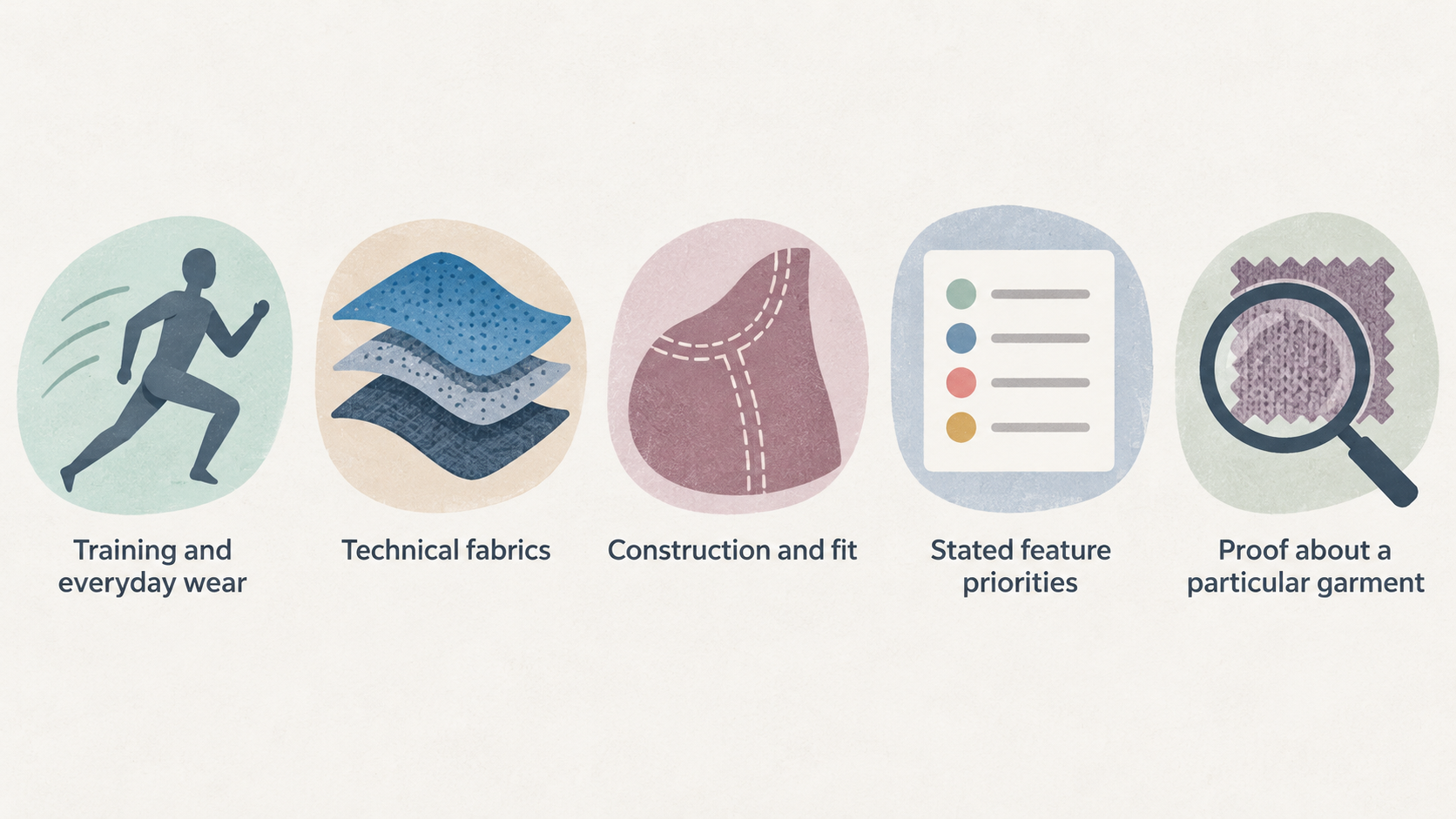
AI-generated illustration — not a retailer product photo.
Lululemon review verdict
AI-generated illustration — not a retailer product photo.
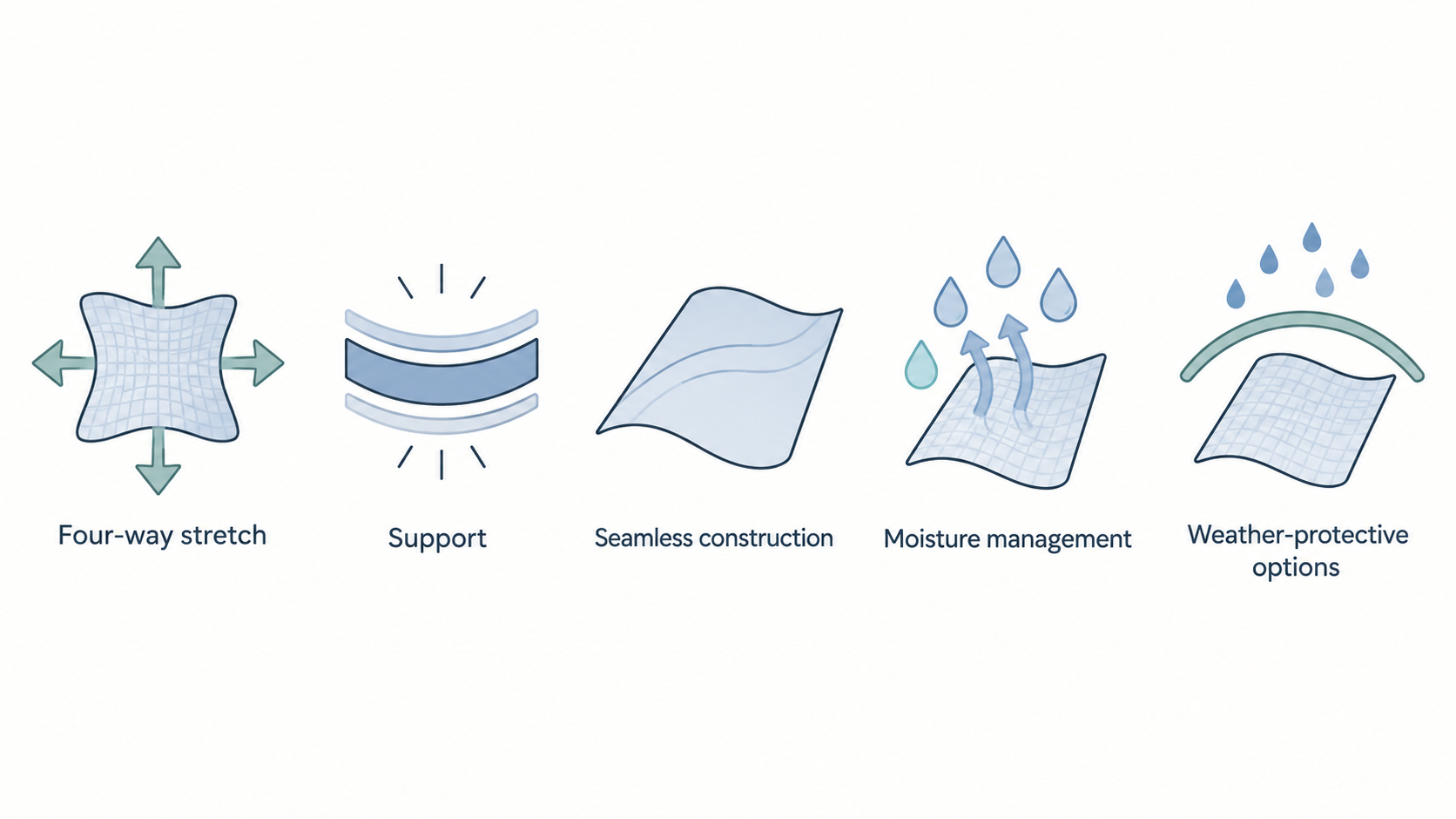
Lululemon is a credible option for UK shoppers who want technically positioned athleisure that can span training, running, yoga and everyday wear. Its published apparel information highlights four-way stretch, support, seamless construction, moisture management, odour-minimising treatment and weather-protective options. Those are useful features to look for when freedom of movement, a more held-in feel or lower-distraction construction matters to you.
That is not the same as a blanket recommendation for every item or every budget. The supplied evidence describes Lululemon’s design intent and feature range, rather than independent testing of each garment’s durability, fit or value. British GQ does include Lululemon in its 2026 activewear guide and names it its overall brand pick, but that remains one publication’s editorial assessment rather than a universal verdict.
Consider Lululemon if the specific garment’s stated features closely match your activity and you are comfortable with its premium positioning. Look elsewhere if price is your main constraint, or if another brand’s product details better answer your fit and use-case questions. See our Lululemon UK shopping guide before narrowing a shortlist.
What lululemon is known for
AI-generated illustration — not a retailer product photo.
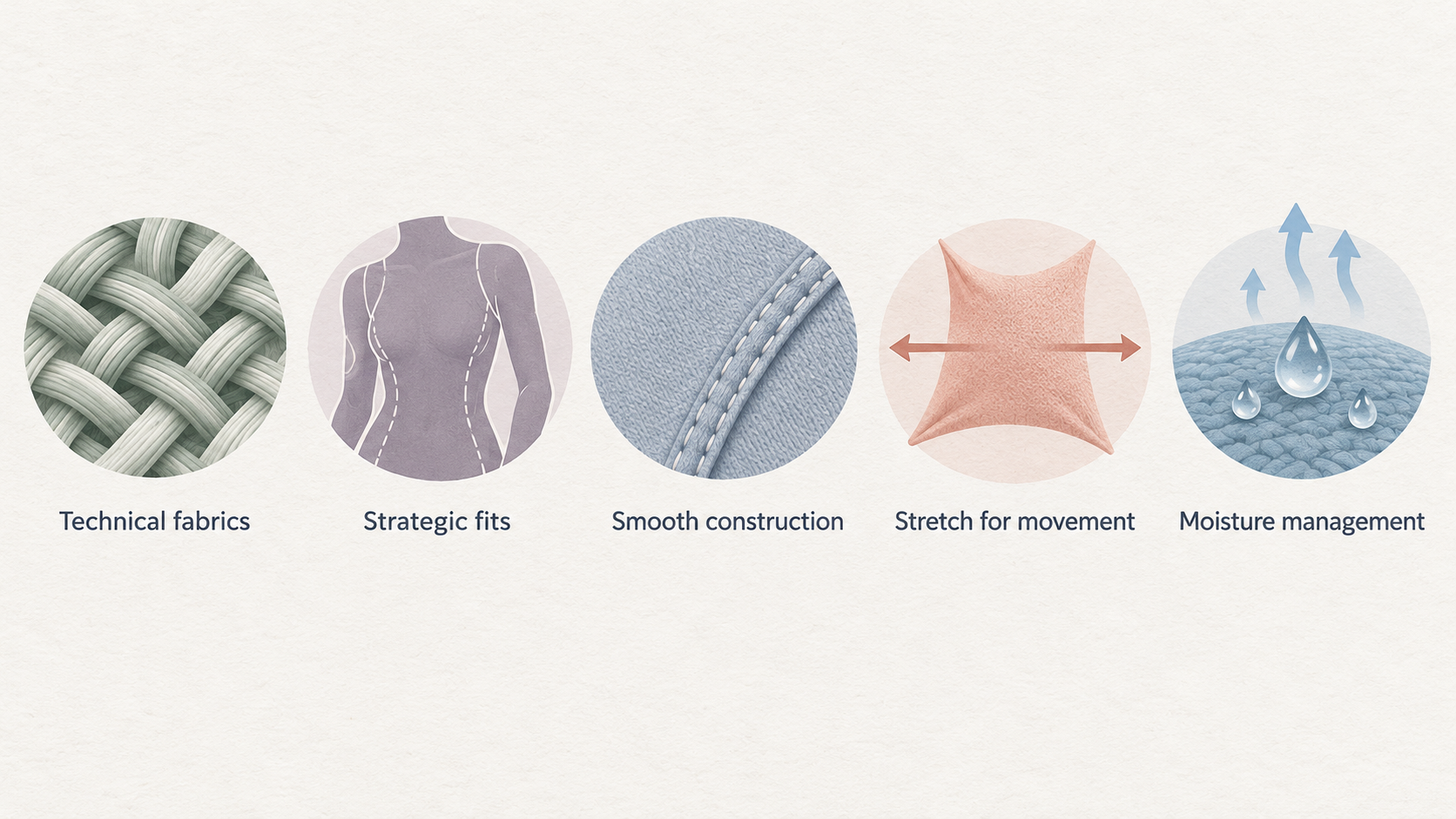
Lululemon presents itself as a performance-athleisure brand built around technical fabrics, construction, fit and product development informed by research and feedback from ambassadors and guests. Its corporate design page says the aim is versatile, distraction-free apparel that can move with people through different activities and environments.
In practical shopping terms, this means the brand is best assessed as a range of garment-specific performance propositions, not as one uniform product experience. Lululemon describes its approach as considering seams, stitches and details alongside technical fabrics, strategic fits and functional features. Its apparel page then groups those features into recognisable priorities: stretch for movement, support, smooth construction, moisture management, odour reduction, and protection from wetter or colder conditions.
That scope matters. A yoga legging, a running layer and an everyday sweatshirt may all sit under the same brand, but they should not be judged by the same checklist. Start with the activity, then check whether the particular item states the fabric, construction and fit features you need. Our technical activewear fabric guide explains the terms worth comparing.
Strengths for performance and everyday wear
AI-generated illustration — not a retailer product photo.
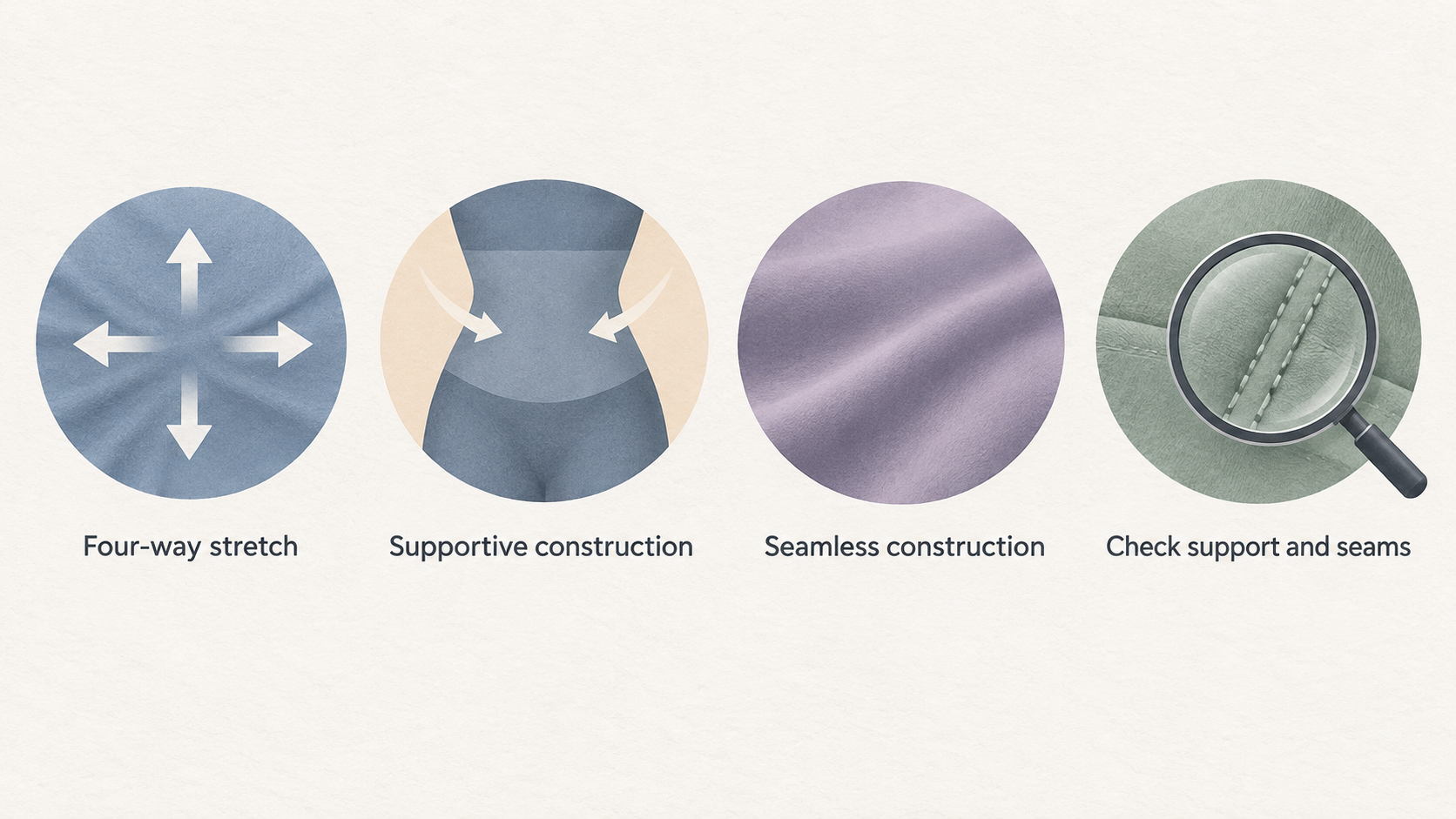
The strongest case for investigating Lululemon is the clarity of its stated feature priorities. Its apparel information says four-way stretch conforms to the body and allows a full range of motion. For mobility-led sessions, that gives shoppers a concrete feature to look for rather than relying on a broad claim that all activewear will move well.
Supportive construction is described as creating a more “dialled in” sensation, while seamless construction is positioned as smooth and irritation-free. These may be relevant if you prefer a more held-in feel or want to minimise seam-related distraction, but the level of support and the placement of seams still need checking on the individual product.
The brand also lists moisture-wicking and ventilation as ways to increase evaporation and airflow, plus anti-stink treatment intended to reduce odour. For gym training, running or a commute-to-workout routine, those are sensible feature categories to prioritise when you expect to work up a sweat. They should be read as design claims, not a guarantee that every item will feel the same in every workout.
Finally, water-resistant and waterproof options make the range relevant to shoppers looking for a weather-aware outer layer. Check the product page carefully: a weather-protective finish should never be assumed across the wider range. For more activity-specific shortlists, see our running clothes buying guide and gym clothing buying guide.
Limitations and buying cautions
The main caution is to separate brand-level messaging from proof about a particular garment. Lululemon’s official sources describe what its product development and apparel features are designed to deliver. They do not independently establish that every piece offers the same durability, value, comfort, sizing consistency or weather performance.
Feature relevance also changes with the job you need a garment to do. Four-way stretch may be a useful priority for yoga or movement-focused training, while a runner may care more about the listed ventilation, fit and weather protection of a particular layer. A supportive feel may appeal to one shopper and feel too restrictive to another. The brand name cannot resolve those preferences on its own.
Budget is another practical limit. This evidence set does not provide a like-for-like price or value comparison with competitors, so it would be misleading to call Lululemon objectively better value. Instead, decide which features are non-negotiable, compare the individual product details and assess whether the price makes sense for how often you expect to wear it.
Before buying, review the item’s fabric composition, intended activity, level of support, weather description, size guidance and returns terms. Our activewear value for money guide can help you judge whether a premium purchase earns a place in your rotation.
Alternatives to lululemon
If Lululemon’s feature-led proposition or premium positioning does not suit you, Gymshark, Nike and Puma are reasonable brands to investigate. The supplied British GQ guide includes all of them in its broader activewear coverage: it presents Gymshark as a gym-focused choice and identifies Nike and Puma as established sportswear names.
That is useful orientation, not a universal ranking. Gymshark may be a productive starting point for a gym-led shopper who wants to compare fit and styling across a focused activewear offer. Nike or Puma may be worth putting on the same shortlist if you prefer an established sportswear brand or find a garment whose activity-specific details better match your needs.
The fairest comparison is item by item. For example, compare the stated movement, support, moisture-management or weather features of the garments you are considering, then weigh fit, price, availability and intended use. Do not treat GQ’s inclusion of a brand as proof that it will be the best option for your body shape, chosen sport or budget.
Use our Gymshark review, Nike activewear review and Puma activewear review to build a broader shortlist. The goal is not to find an abstract winner; it is to find the piece whose documented features and fit proposition match the activity you actually do.
How to choose the right lululemon pieces
Start with your main use case. For yoga or mobility-led training, look for an individual garment that explicitly states four-way stretch, seamless construction or the level of support you prefer. For gym training, decide whether your priority is a more supportive sensation, moisture management, or simply a comfortable fit that will not distract from the session.
For running, check the particular piece rather than assuming the whole range is running-specific. Stretch and ventilation may be relevant, while a jacket or outer layer should be assessed for its stated water-resistant or waterproof protection. For everyday wear, focus on whether the silhouette, fabric description and support level suit how you plan to wear the item beyond exercise.
Use this as a short decision framework:
| Your priority | Feature category to investigate | Final check |
|---|---|---|
| Yoga or movement | Four-way stretch; seamless feel; support | Does the stated support match your preference? |
| Gym training | Support; moisture-wicking and ventilation; anti-stink | Does the garment’s construction suit your session? |
| Running outdoors | Stretch; ventilation; stated weather protection | Is that exact item water-resistant or waterproof? |
| Everyday athleisure | Fit, comfort and intended use | Will the style and feel work outside training? |
Whichever route you choose, confirm garment-specific fabric information, support, weather protection, size guidance and returns details before checkout. Our UK activewear size and returns guide is the best next step if fit uncertainty is holding up your decision.
Frequently Asked Questions
Is lululemon good for running?
It can be worth considering for running when the individual item’s stated features match your conditions and preferences. Lululemon lists four-way stretch, moisture-wicking and ventilation, plus water-resistant or waterproof options within its apparel offering. That does not mean every item has every feature, so check the exact garment before buying.
Is lululemon worth the price in the UK?
That depends on whether the item’s documented features are useful enough to justify its price for you. The supplied evidence does not provide an independent, like-for-like value comparison, so there is no evidence-based universal answer. Compare the specific garment with alternatives on intended use, fit, features, price and returns.
Is lululemon better for the gym or yoga?
The supplied information supports both use cases in different ways. Four-way stretch, seamless construction and support may be relevant to yoga or mobility-led training; support, moisture management and ventilation may matter more for gym sessions. Neither use case automatically makes the brand a better choice than alternatives: the specific garment and your preferred feel remain decisive.
What are the best alternatives to lululemon?
Gymshark, Nike and Puma are sensible brands to investigate alongside Lululemon. British GQ includes them in its activewear guide, with Gymshark framed as gym-focused and Nike and Puma as established names. Treat that as a starting point for research, then compare the individual products that fit your activity and budget.
Sources
Related reading
- Best performance athleisure: evidence-led top choices
- lululemon vs Gymshark: which is the better fit
- Gymshark review: who it suits and who should skip it
- How performance athleisure should fit, feel, and perform
Editorial information: About our editorial team · Read our editorial policy · Read our affiliate disclosure.