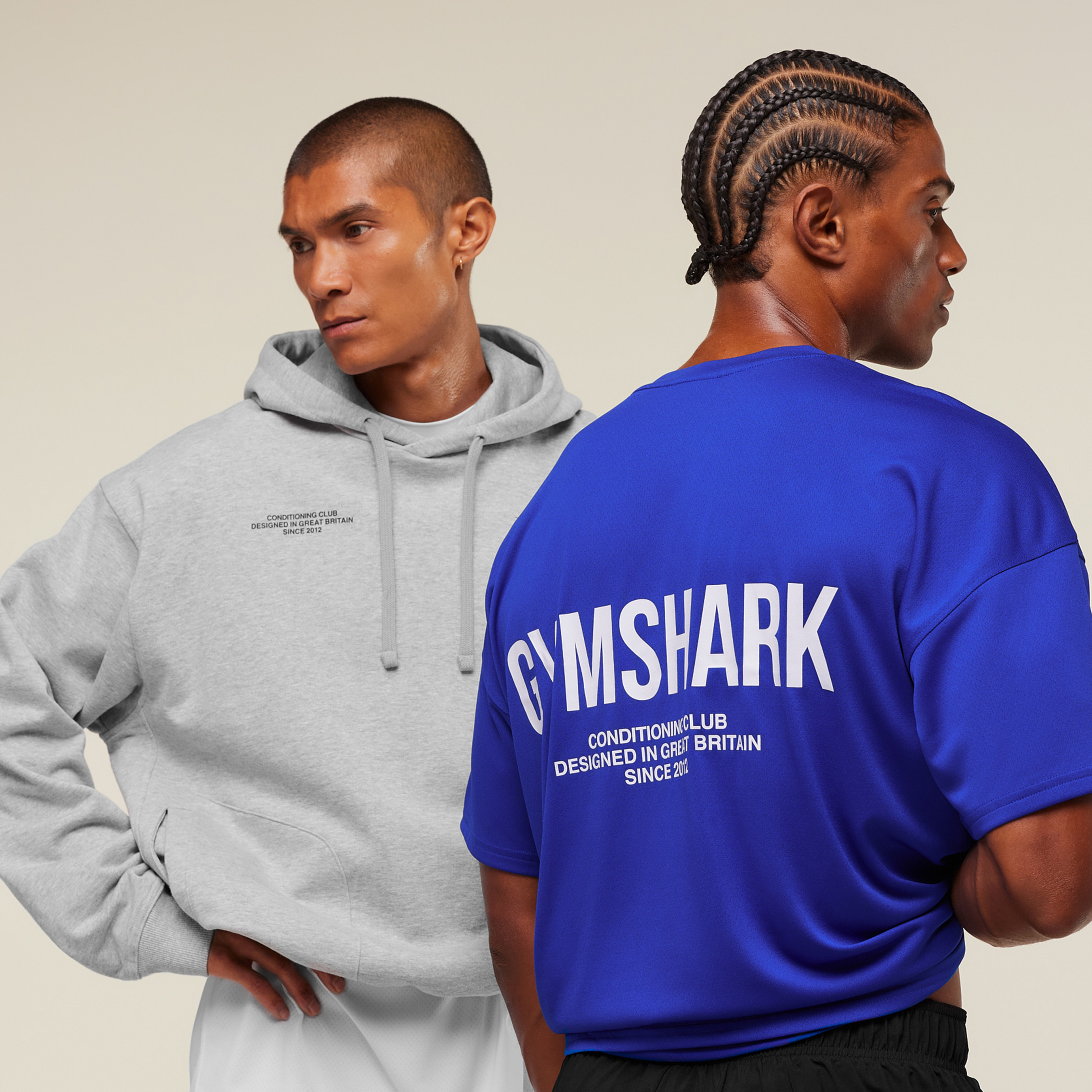
Gymshark can be a sensible option for UK shoppers who want to choose gymwear by their main activity and their preferred fit, rather than treating every training outfit as interchangeable. Its published guidance focuses on comfort, movement, support and the way a garment sits on the body. That makes it most useful as a starting point for matching clothing to strength training, cardio, yoga or casual wear.
This is a first-party-grounded guide, not an independent product test. Use it to narrow your options, then check the relevant product page and size guidance before ordering.
Gymshark Review: What This Guide Covers
AI-generated illustration — not a retailer product photo.
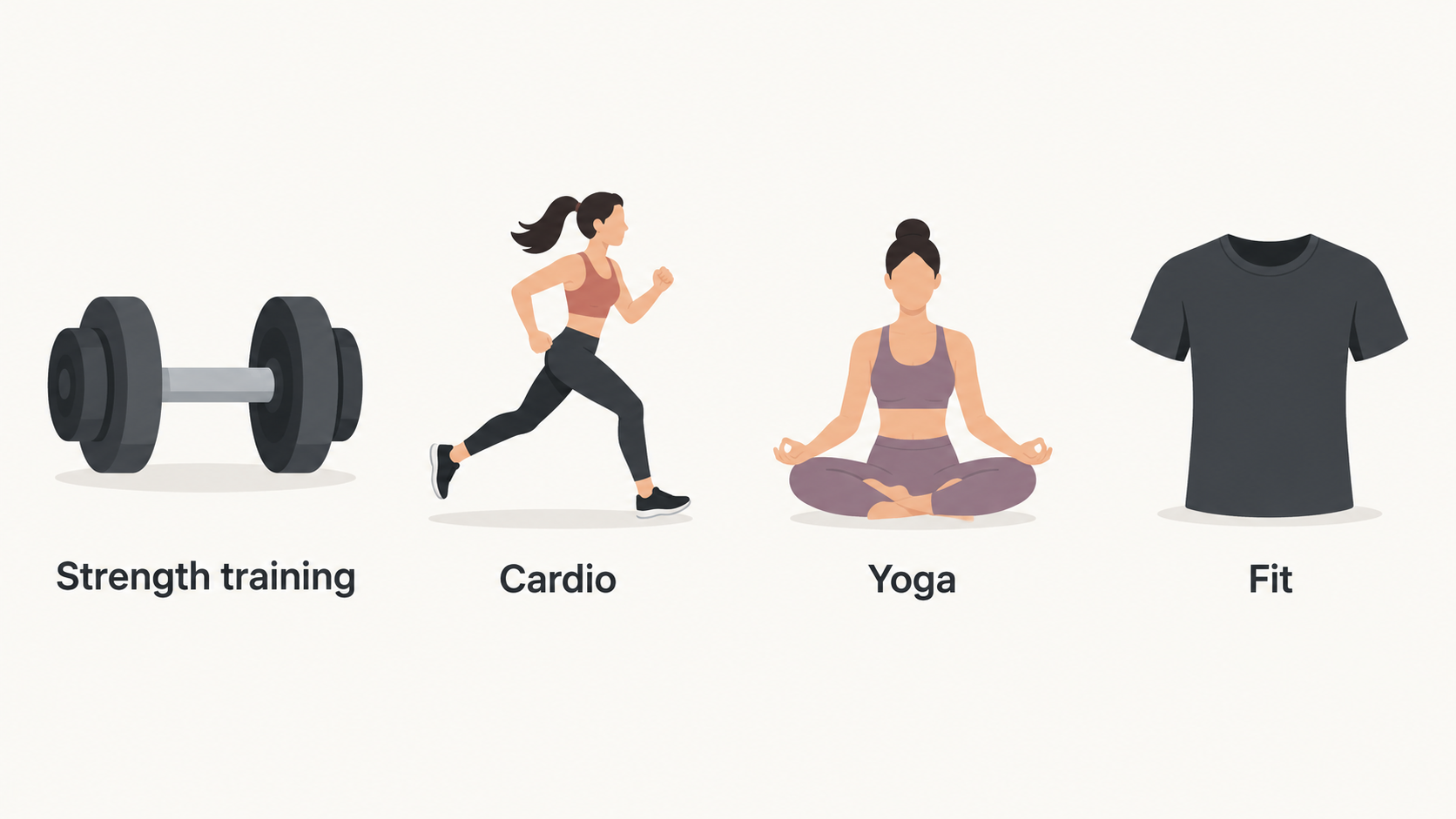
This review looks at Gymshark workout clothing through two practical questions: what you plan to do in it, and how you prefer it to fit. Gymshark’s own guides present clothing selection as activity-led: the demands of strength training, cardio and yoga are not identical, so the same outfit will not necessarily suit every session. Gymshark’s workout-clothing guide
Fit is the second part of the decision. Gymshark’s T-shirt guide describes a spectrum from compression and muscle fits through slim, regular and oversized options. The brand says a workout shirt should allow free, comfortable movement, while recognising that the preferred cut remains personal. Gymshark’s T-shirt fit guide
So, this is not a blanket verdict that Gymshark is right for everyone. It is a framework for deciding whether its activity- and fit-led approach matches your routine, comfort expectations and everyday styling preferences.
Who Gymshark Workout Clothing May Suit
AI-generated illustration — not a retailer product photo.
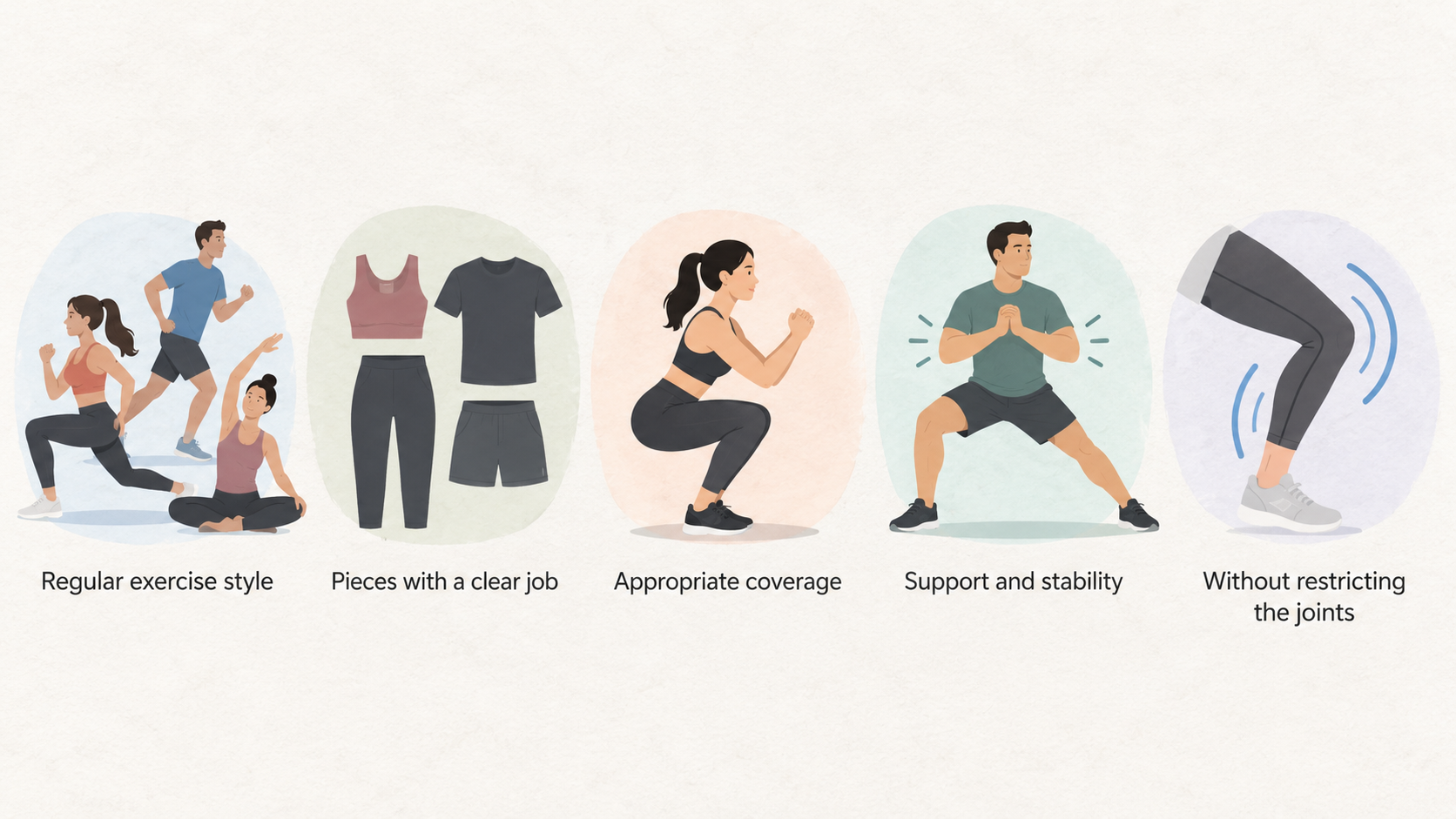
Gymshark may suit shoppers who want to build a gym wardrobe around the type of training they do most often. Its published guidance explicitly separates strength training, cardio and yoga, and encourages shoppers to consider their regular exercise style before choosing clothing. That is especially useful if you want a small set of pieces that each have a clear job rather than one generic outfit for every activity. Gymshark’s workout-clothing guide
For strength training, Gymshark’s guide points shoppers towards bottoms with appropriate coverage during squat and hinge movements, plus clothing that offers support and stability without restricting the joints. It also notes that fitted garments can reduce the distraction of loose fabric, while seamless designs can support flexibility and help reduce chafing concerns. These are selection criteria, not a guarantee that every Gymshark item will perform the same way, so check the details of the individual garment you are considering.
For cardio or yoga, the basic case is different: freedom of movement, comfort and the exercise itself should drive the choice. Gymshark’s guide frames the right outfit as one that helps you feel comfortable and functional for your workout. If you value a fit-led wardrobe that can also be styled casually, the T-shirt guidance also presents regular and oversized cuts as options alongside closer-fitting styles. Gymshark’s T-shirt fit guide
Fit Options and What They Mean in Practice
The useful thing about Gymshark’s fit guidance is that it gives shoppers a vocabulary for choosing a T-shirt rather than assuming that tighter is always better. The published guide covers compression fit, muscle fit, slim fit, regular fit and oversized fit, and explains that fit affects how a tee feels, moves and works with the body. Gymshark’s T-shirt fit guide
Compression fit is the closest option in this range. Consider it when you want a more body-hugging feel and do not mind less visual looseness. Muscle fit is also close-fitting, so it may appeal if you prefer a more shaped look through the upper body. In both cases, movement should still be the test: a close cut that rides up or feels restrictive is unlikely to be the right choice for your session.
Slim fit is a middle ground for shoppers who want a neater outline without moving all the way to a compression-style feel. Regular fit is the more straightforward choice when you want room to move and a familiar T-shirt silhouette. Oversized fit offers more visual and physical space, which can work well for relaxed styling, layering or anyone who simply prefers not to wear a close cut.
There is no universal winner among these fits. A fitted top may reduce loose fabric during some strength movements, while a regular or oversized tee may feel more comfortable for warm-ups, travel to the gym or everyday wear. The right choice depends on where you want support or coverage, how much ease you prefer, and whether you want the same piece to work outside training.
Before ordering, use Gymshark’s size guidance as a reference and compare it with how you want the garment to sit. Treat the named fit as a starting point, not a substitute for checking measurements and the product description.
Who May Prefer Other Workout Clothing
Gymshark may be less straightforward for shoppers who need a highly specific garment feature that is not established by the fit label alone. A cut can tell you whether a top is closer or looser on the body, but it does not by itself confirm the level of support, coverage, fabric weight or movement suitability you need for a particular activity.
For example, if your main priority is demanding lower-body strength work, Gymshark’s own guidance suggests looking beyond style at practical considerations such as squat-appropriate coverage, support, stability and freedom around the joints. If the product information does not make those points clear, compare alternatives or investigate the specific item further rather than relying on a collection image or a preferred silhouette. Gymshark’s workout-clothing guide
You may also prefer other options if you dislike selecting between close and loose fits, or if you want one outfit to meet a specialist need that is not addressed in the available guidance. Gymshark’s T-shirt article makes clear that fit is preference-dependent, and the workout guide says clothing should be considered in relation to exercise type. That is a reason to compare, not a reason to assume a mismatch.
In short, skip a rushed purchase when the desired look is doing all the decision-making. If comfort, unrestricted movement or a particular workout demand is non-negotiable, verify the garment-level details and compare a few suitable choices first.
How to Choose Gymshark Clothing for Your Routine
 Start with your primary activity. If strength training dominates your week, prioritise pieces whose product information supports the practical criteria Gymshark highlights for weight training: coverage for squat and hinge movements, support, stability, durable-feeling construction and room to move around the joints. A closer fit may be worth considering if loose fabric distracts you, but it should not compromise comfortable movement. Gymshark’s workout-clothing guide
If your routine includes cardio, yoga or mixed gym sessions, begin with the movements you repeat most often. Gymshark advises shoppers to think about training style and regular exercises when choosing an outfit. Use that prompt to decide whether you want more coverage, a more streamlined fit, or an easier silhouette that also works for warm-ups and daily wear.
Then choose the fit deliberately. Compression and muscle fits are for a closer feel; slim fit is a neater middle option; regular fit offers a familiar balance; and oversized fit provides more room and a relaxed look. Do not choose solely from the category name: think about how you want the garment to feel during movement and whether you plan to layer it or wear it outside the gym. Gymshark’s T-shirt fit guide
Finally, check the relevant size guidance and the individual product description before adding anything to your basket. That final step matters because a shopper’s measurements, preferred ease and intended use can all change which size or fit is most sensible.
[Explore Gymshark clothing]
Frequently Asked Questions
Which Gymshark fit should I choose for weight training?
Start with the movement and level of coverage you want, not just the look. Gymshark’s guidance says weightlifting clothing should offer support and stability without being restrictive around the joints, and notes that fitted clothing can reduce loose-fabric distraction. A muscle, slim or regular fit may therefore be worth comparing, but the right answer depends on your comfort and the garment’s specific details. Check the size guidance before ordering. Gymshark’s workout-clothing guide
Are fitted gym clothes always better for cardio workouts?
No. The supplied guidance does not establish that fitted clothing is universally better for cardio. It recommends choosing gymwear according to training style and the exercises you do regularly. Pick a fit that lets you move comfortably and suits your preference, then use the product information to assess the individual piece.
How should I check whether a Gymshark T-shirt fit will suit me?
First decide whether you want a close, neat, standard or relaxed silhouette. Gymshark lists compression, muscle, slim, regular and oversized fits in its T-shirt guidance and says fit affects how a tee feels and moves. Then consult its standard sizing guidance and the product description rather than assuming every T-shirt within a fit category will feel identical. Gymshark’s T-shirt fit guide
Can the same Gymshark outfit work for training and everyday wear?
It can, if the activity and fit both work for you. Gymshark’s T-shirt guide presents tees as suitable for gym use or weekend layering, while its workout guide says exercise type should guide the choice of gym clothing. A regular or oversized fit may make more sense if everyday styling is important to you, but verify that the specific garment still meets the needs of your training routine.
Related reading
- Best performance athleisure: evidence-led top choices
- lululemon vs Gymshark: which is the better fit
- lululemon review: strengths, limits, and alternatives
- How to choose performance athleisure for your needs
Editorial information: About our editorial team · Read our editorial policy · Read our affiliate disclosure.