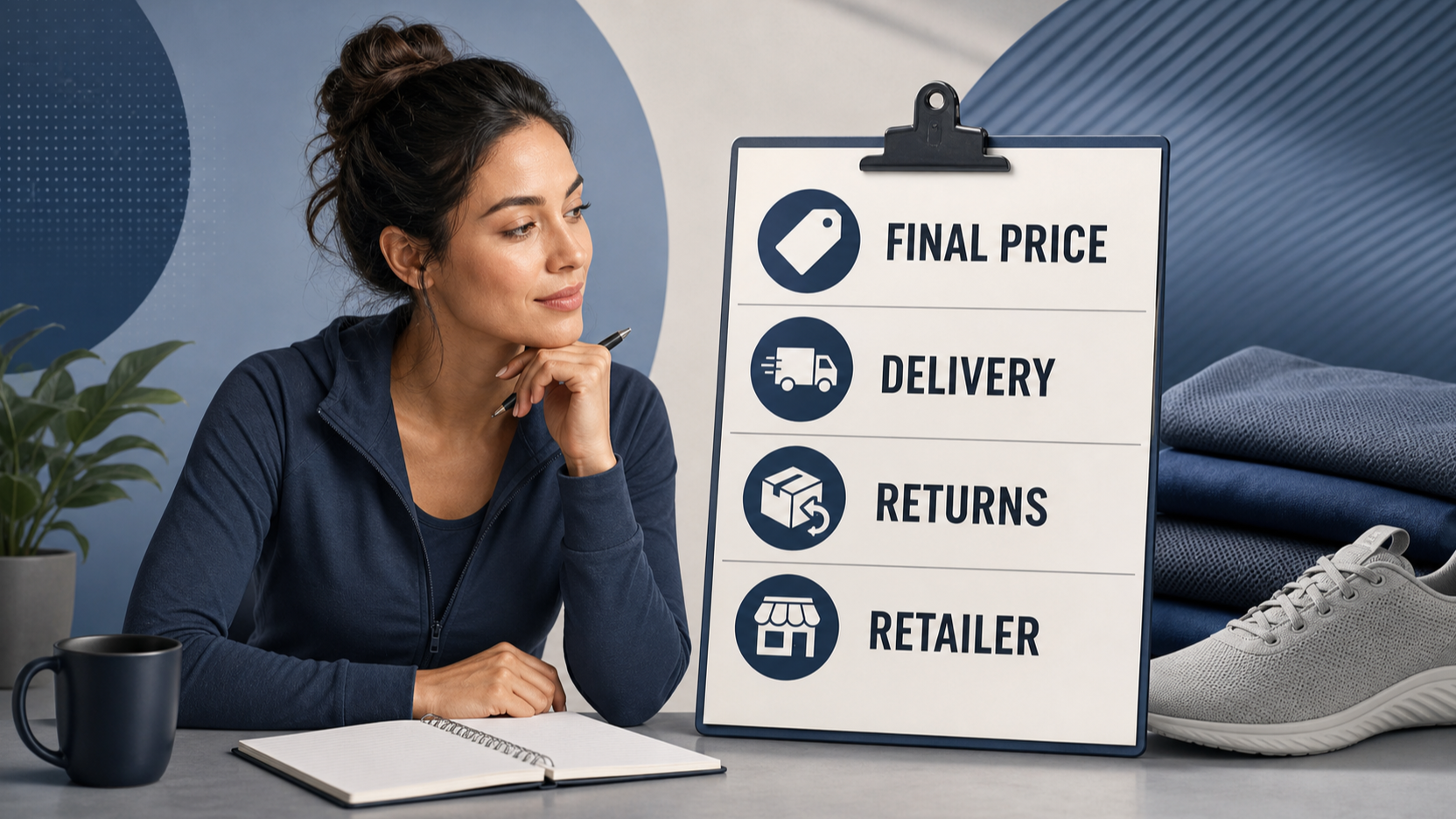
A genuine performance-athleisure deal is not simply the largest percentage shown beside a pair of leggings or trainers. For UK shoppers, it is an offer with a clear final cost, terms you can inspect, and a retailer you can verify. This guide helps you compare running, gym, yoga and everyday pieces with those checks in mind.
What a genuine performance-athleisure deal looks like
AI-generated illustration — not a retailer product photo.
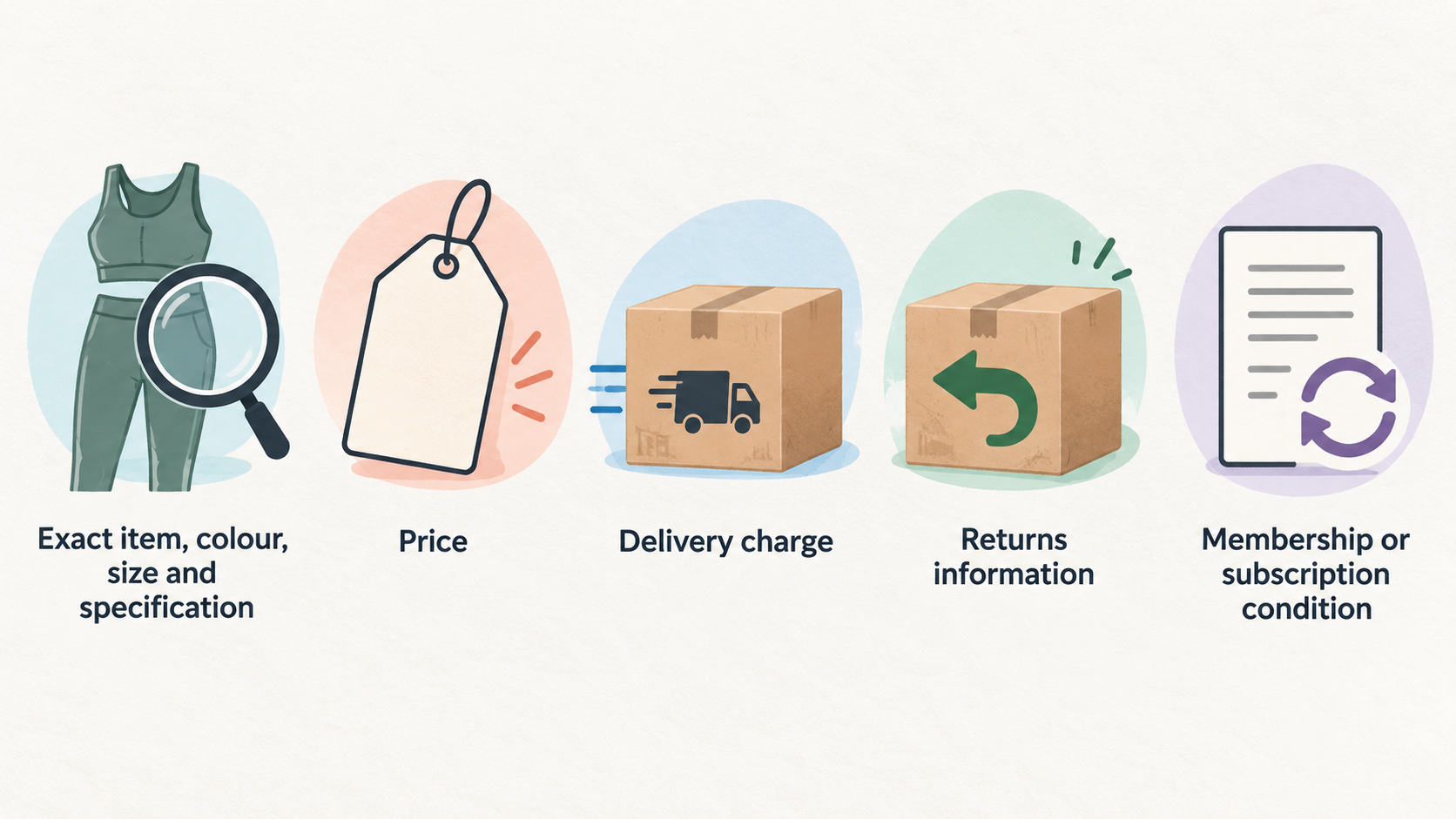
A useful deal starts with a product you would realistically choose at the stated final price. Check the exact item, colour, size and specification before comparing it elsewhere: a discount on an unavailable size or a different version is not a like-for-like saving.
Then look beyond the promotional banner. A genuine offer should let you see the price, delivery charge, returns information and any membership or subscription condition before you commit. The Competition and Markets Authority (CMA) identifies hidden charges and subscription traps among online sales tactics that can mislead shoppers, so a low headline price alone is not enough to establish value. [CMA: ]
Retailer legitimacy matters as much as price. The National Cyber Security Centre (NCSC) advises shoppers to research unfamiliar online shops using consumer sites or reviews from people or organisations they trust. It also warns that fake shops can copy the look, logos and products of genuine retailers. [NCSC: ]
Treat this as a decision process: choose the right product for your activity, establish the complete checkout cost, and verify who is selling it. That approach may mean passing on a dramatic-looking sale, but it gives you a better basis for deciding whether the offer is genuinely useful.
The signs that make an offer easier to trust
AI-generated illustration — not a retailer product photo.
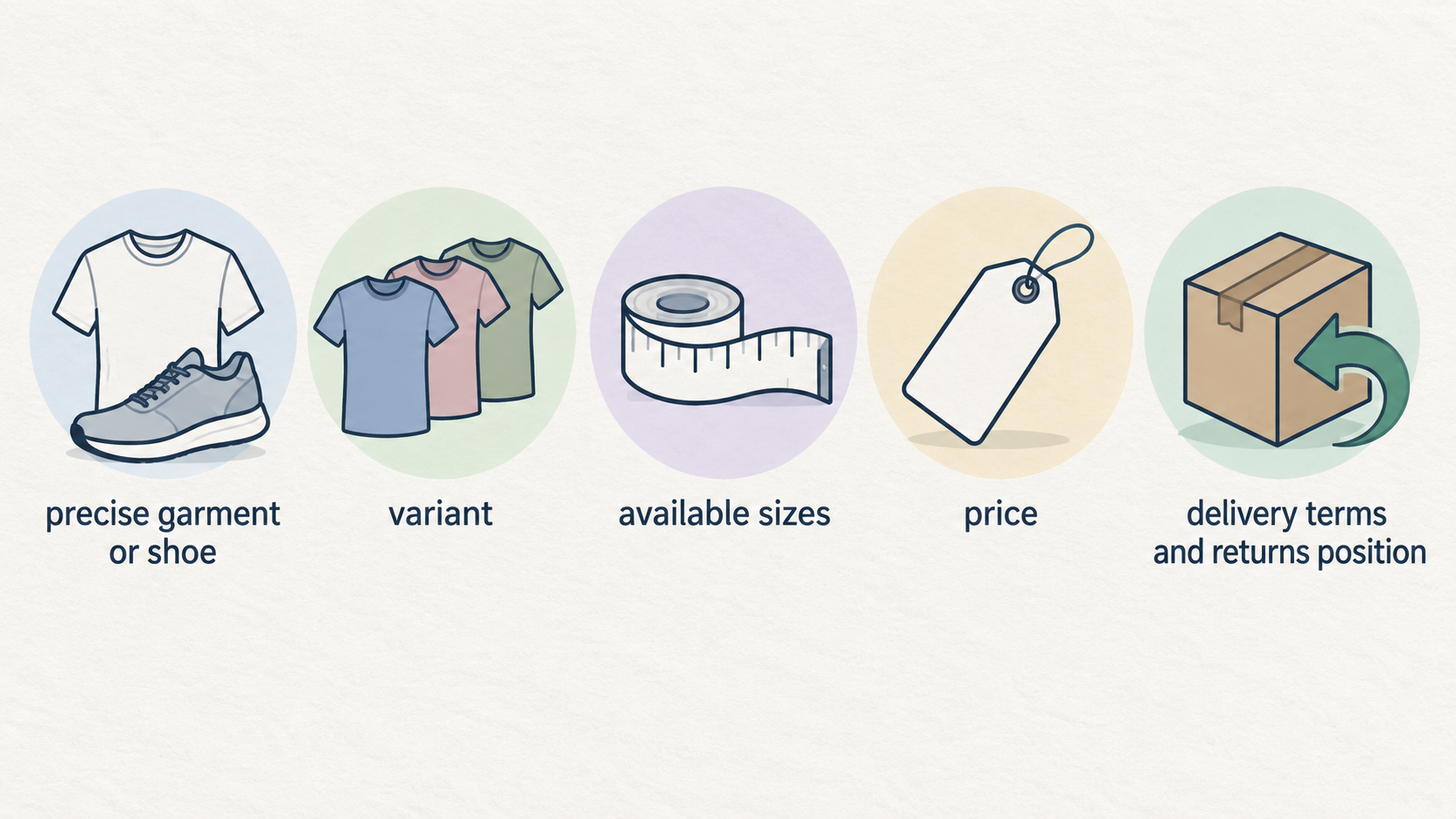
Start with enough detail to compare the offer properly. A clearer listing identifies the precise garment or shoe, its variant, available sizes, price, delivery terms and returns position. Capture those details before opening several tabs; otherwise a percentage-off claim can distract from differences that affect what you actually receive or pay.
Next, match the item to the job you need it to do. For running, compare the same product specification and size availability rather than assuming any discounted activewear will suit regular runs. For gym training, yoga or everyday wear, decide which features and fit matter to you before treating a reduction as value. A cheaper item that is unsuitable for the intended use can still be poor value.
Transparent terms are a positive signal, not a guarantee. The CMA’s online-rip-off campaign highlights hidden charges, subscription traps, pressure selling and fake reviews as tactics that can mislead people shopping online. If delivery, returns or recurring-payment conditions are hard to find, pause and look for the full terms before proceeding. [CMA: ]
Use a simple checklist:
- Is this the exact product, size and variant you want?
- What is the final price after delivery and any stated extras?
- Can you read the returns terms before checkout?
- Is the retailer identity and contact information easy to verify?
- Is the promotion giving you time to check, rather than relying only on urgency?
The point is not to prove every sale is unsafe. It is to make comparison possible before a headline discount becomes the reason to buy.
Warning signs of misleading discounts and sales pressure
A large stated discount, a countdown timer or “limited stock” wording should be treated as a prompt to check the offer, not proof that it is genuine. The CMA specifically lists pressure selling, hidden charges, subscription traps and fake reviews among misleading online sales tactics that can push consumers to part with money. [CMA: ]
Pause if essential information appears only late in checkout, such as delivery costs, a recurring subscription, or conditions that change the apparent price. Also be wary when reviews are the main reassurance but do not help you independently assess the seller, product or terms. The CMA’s guidance does not mean every review or promotion is misleading; it means these signals should not be relied on in isolation. [CMA: ]
Be especially cautious with links received in unexpected emails or texts. The NCSC says phishing messages may lead to fake shops with promotions that look unusually attractive, and that criminals can use domains designed to resemble genuine retailers. [NCSC: ]
Instead of rushing to the link, find the retailer independently. Type a known official address into your browser or search for the organisation and read the results carefully rather than automatically choosing the first listing, as the NCSC recommends. [NCSC: ]
If the seller cannot be verified, the final cost is unclear, or the deal depends on immediate action before you can inspect the terms, leave the checkout. Missing information is a reason to pause, not a reason to guess.
Calculate the real saving before you check out
Calculate value from the checkout total, not the banner price. Write down the item price, delivery charge and any stated cost or condition connected to a membership or subscription. Then compare that total only with the same product specification at retailers you have been able to verify.
This is important because the CMA identifies hidden charges and subscription traps as misleading tactics relevant to online sales. A price that looks lower on a category page may not remain lower after the terms are revealed. [CMA: ]
Use this short comparison routine:
- Confirm the exact item, variant and size.
- Record the advertised price and the final checkout total before payment.
- Read delivery and returns terms, including any conditions that matter to your decision.
- Check whether a subscription, account offer or other commitment is being presented as part of the saving.
- Compare the resulting total with the same item from legitimate retailers.
Finally, judge use-value as well as price. A running top you will wear regularly may be a better purchase than a lower-priced alternative that does not meet your fit or activity needs. That is a personal comparison, not a claim that one category is always better value.
Do not let a promised saving turn into a reason to skip the retailer and checkout checks. The saving is meaningful only when you understand what you will pay, what you are agreeing to, and whether the product suits your intended use.
Check the retailer before you share payment details
AI-generated generic editorial illustration — not a retailer product photo and does not depict the reviewed product or service. Reinforce the retailer-verification steps before payment details are submitted.
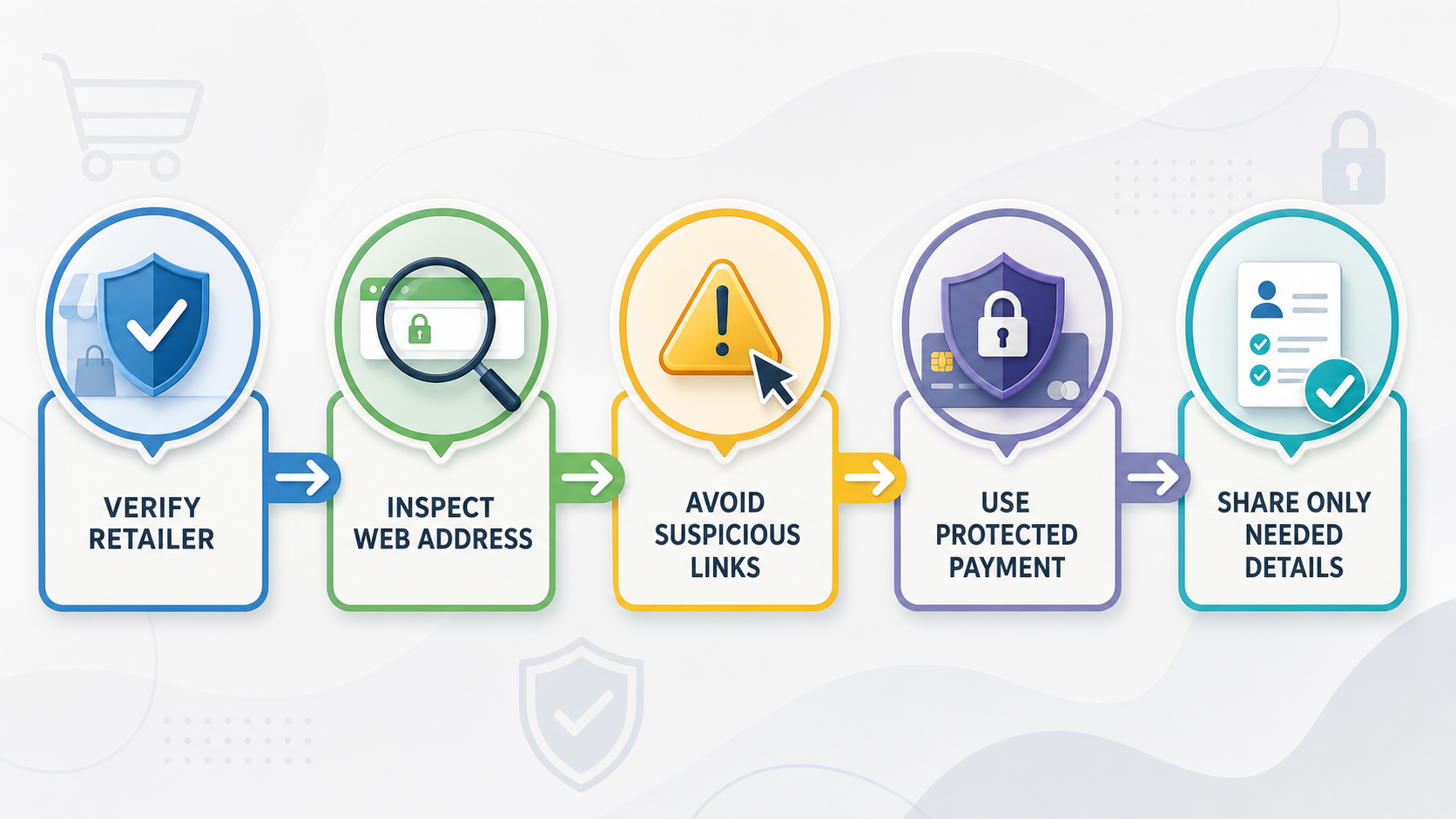 For a shop you have not used before, research it before entering payment details. The NCSC recommends using consumer websites or reviews from people or organisations you trust to help assess whether an online shop is legitimate. [NCSC: ]
Check the web address carefully. A fake retailer can imitate a real site’s design, logos and products, while using a domain that looks similar to the legitimate one. If a promotion link in an email or text seems suspicious, do not click it. Instead, type the official address directly into the browser if you know it, or search for the organisation and take time to assess the results. [NCSC: ]
At checkout, provide only the details required to complete the purchase. The NCSC also advises keeping accounts secure and watching for suspicious links. [NCSC: ]
For payment, the NCSC recommends using a credit card if you have one, noting that many credit-card purchases have protections under the Consumer Credit Act. It says debit-card payments offer less protection, although a voluntary chargeback claim may sometimes be possible; payment-service users should check the protections offered by their provider. These are protections to understand, not guarantees of a refund. [NCSC: ]
If anything about the retailer, link or checkout feels inconsistent, stop before paying and return to your independent checks.
A practical comparison routine for performance athleisure
Use the same order every time you compare performance athleisure offers:
- Define the activity: running, gym training, yoga or everyday wear.
- Choose the exact product requirements that matter to you, including the variant and size.
- Compare the same specification across retailers, rather than comparing broad sale categories.
- Establish the final payable cost, including delivery and any stated conditions.
- Read the returns information before committing.
- Verify an unfamiliar retailer independently and inspect the address rather than relying on an offer link.
- Choose only after the offer, seller and checkout all make sense together.
This routine separates the appeal of a reduction from the evidence needed to act on it. The CMA’s examples show why urgency, hidden charges, subscriptions and unreliable reviews should not be the sole basis for a purchase. [CMA: ]
It also reflects the NCSC’s practical safety advice: research unfamiliar shops, avoid suspicious links, limit checkout details to what is needed, and understand the payment protections relevant to your chosen method. [NCSC: ]
For each activity, the reliable comparison is still the same: the same product, correct size, full cost, workable return terms and a retailer you can verify. If one of those pieces is missing, wait until you can resolve it rather than treating the discount as a deadline.
Frequently Asked Questions
Are big percentage-off claims enough to prove an athleisure deal is genuine?
No. A percentage reduction does not tell you the final cost, whether conditions apply, or whether the retailer is legitimate. The CMA identifies pressure selling, hidden charges, subscription traps and fake reviews as tactics that can mislead online shoppers, so inspect the full offer before relying on the headline claim. [CMA: ]
What should I check before buying from an athleisure retailer I have not used before?
Research the shop using consumer sites or reviews from people or organisations you trust, as the NCSC advises. Check the address carefully and, if a link arrived unexpectedly, find the retailer independently rather than clicking it. [NCSC: ]
Can delivery charges, returns or subscriptions make a sale price less valuable?
Yes. Delivery costs and terms can change the final comparison, while the CMA lists hidden charges and subscription traps among potentially misleading online sales tactics. Check the complete checkout cost and conditions before deciding whether the reduction is worthwhile. [CMA: ]
What should I do if an offer link or shop looks suspicious?
Do not click a suspicious link. The NCSC recommends typing a known official web address into your browser or searching for the organisation and reviewing the results carefully. Stop before submitting payment details if you cannot verify the retailer or checkout. [NCSC: ]
Sources
Related reading
- Best performance athleisure: evidence-led top choices
- How to choose performance athleisure for your needs
- How performance athleisure should fit, feel, and perform
- When to buy performance athleisure for better value
Editorial information: About our editorial team · Read our editorial policy · Read our affiliate disclosure.